How we work
Our approach is rooted in the understanding that true transformation happens not through force or intensity, but through patient cultivation of awareness and presence.
Slowness as Gateway
In our fast-paced world, we’ve forgotten that the body operates on its own timeline—one that cannot be rushed or optimized. Slowness is not about being lazy or passive; it’s about creating the spaciousness necessary for your nervous system to drop out of survival mode and into presence.
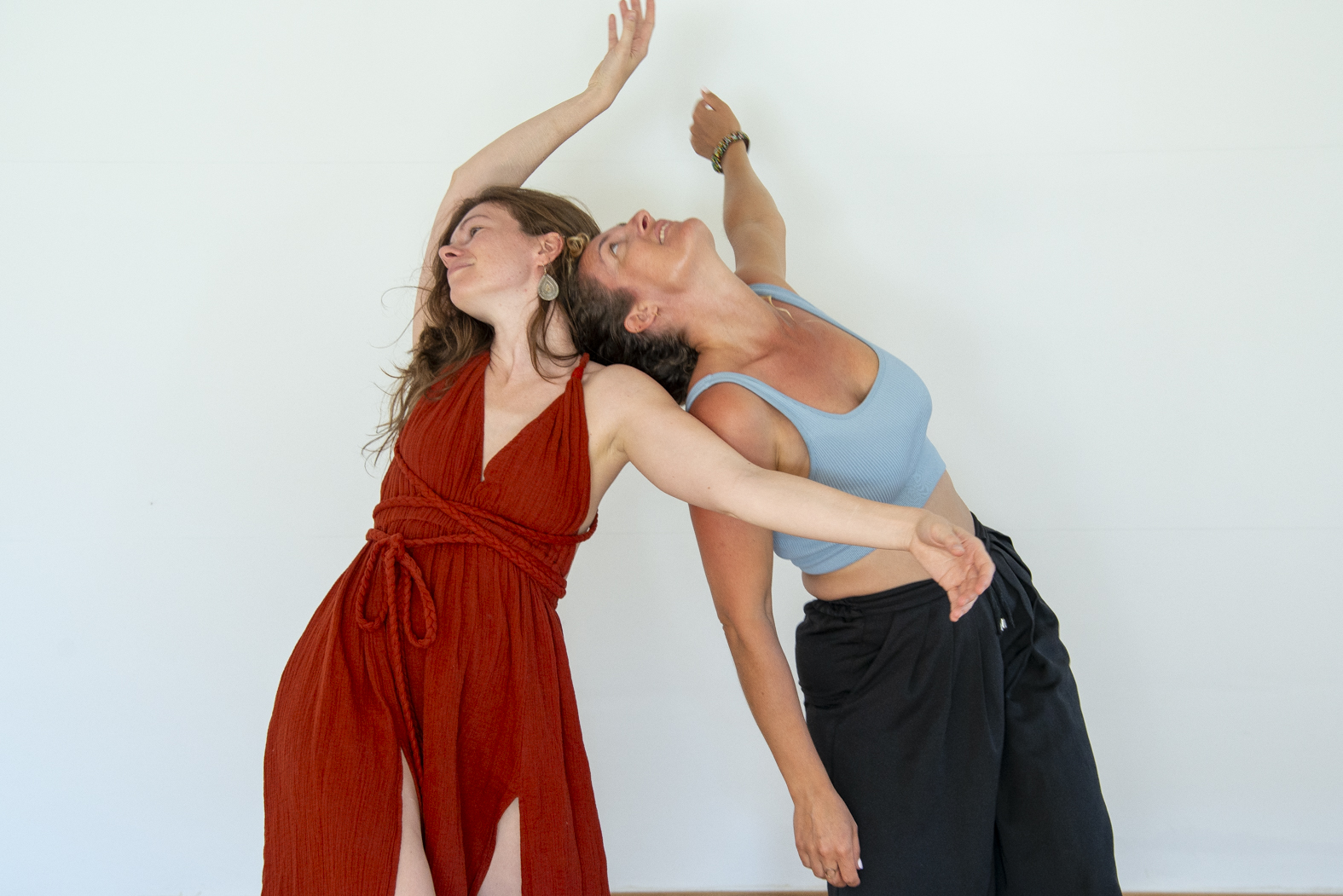
When we slow down, we can finally distinguish between sensation and story, between what the body is actually feeling and what the mind thinks it should feel. This deceleration allows you to notice the subtle shifts in breath, the micro-movements of energy, the whispered messages your body has been trying to send you. In slowness, pleasure becomes a conversation rather than a conquest, and intimacy transforms from performance into genuine encounter.
We practice slowness through extended breathing exercises, mindful movement, and extended periods of simply being with sensation without the pressure to do anything with it. This isn’t about meditation—it’s about developing the capacity to be present with whatever arises.
Awareness to Break and Rebuild
Most of us inherit our understanding of intimacy, sexuality, and pleasure from sources that know nothing about our individual bodies, desires, or nervous systems. We absorb messages from family, culture, media, and past partners that create a rigid framework of how we “should” experience our sexuality.
Our approach involves gently dismantling these inherited scripts so you can discover what genuinely belongs to you. This process requires a specific kind of awareness—one that can observe without immediately judging, that can notice patterns without automatically following them, that can hold curiosity about your reactions rather than being hijacked by them.
We guide you through exercises that reveal your unconscious assumptions about pleasure, desire, attraction, and intimacy. Through somatic inquiry, movement, and group reflection, you begin to separate what you’ve been taught from what you actually experience. This isn’t about rejecting everything you’ve learned, but about consciously choosing what serves you and releasing what doesn’t.
Consent as Life Practice
Consent extends far beyond sexual encounters—it’s a fundamental life skill that determines the quality of all your relationships, including the one with yourself. True consent requires the ability to feel your authentic response in real-time, communicate it clearly, and honor it consistently.
We teach consent as a somatic practice: learning to feel the difference between “yes,” “no,” and “maybe” in your body before your mind has time to override the signal. We explore how to notice when you’re saying yes to please others while your body is contracting, or when you’re saying no from fear when your body might be curious.
In our workshops, consent becomes a moment-to-moment practice. You learn to check in with yourself regularly, to communicate boundaries without justification, and to receive others’ boundaries without taking them personally. We practice consent in non-sexual contexts first—with touch, eye contact, sharing personal stories—so the skill is well-developed before applying it to more intimate situations.
This practice transforms not just your intimate relationships but how you navigate your professional life, friendships, family dynamics, and relationship with yourself.
Learning Space Where Healing Can Emerge
We hold the paradox that while nothing is broken and needs fixing, transformation and healing can naturally emerge when the right conditions are present. Our role is not to be healers but to be skillful space-holders who can support whatever wants to unfold.
As trained facilitators, we can recognize when someone is entering a healing process and provide appropriate support, resources, or referrals if needed. We understand trauma responses, nervous system regulation, and how to create psychological safety for vulnerable exploration.
The group itself becomes a container for healing through witnessed vulnerability and mutual support. When someone shares their authentic experience—whether it’s shame, confusion, excitement, or breakthrough—it gives permission for others to meet their own experience with similar honesty.
We maintain clear boundaries about what we can and cannot provide, always emphasizing that participants are the experts on their own experience while offering tools and perspectives that support their self-discovery.
Subtlety Over Intensity
In a culture obsessed with bigger, faster, more intense experiences, we’ve lost touch with the profound intelligence available in subtlety. Peak experiences can be beautiful, but they often bypass the nervous system’s capacity for integration and leave us unchanged once the high wears off.
Subtle work allows your nervous system to track what’s happening and make conscious choices about how to respond. In subtlety, you can feel the difference between expansion that feels safe and expansion that feels overwhelming. You can distinguish between pleasure that nourishes and stimulation that depletes.
We work with barely perceptible movements, gentle breath awareness, soft touch, and quiet attention to sensation. This isn’t about suppressing intensity when it naturally arises, but about not forcing it or using it to bypass more vulnerable feelings.
In subtlety, you develop what we call “somatic literacy”—the ability to read your body’s signals accurately and respond appropriately. This skill becomes invaluable not just in intimate situations but in all areas of life where you need to make decisions based on your authentic response rather than external pressure.
Integration and Embodiment
Peak experiences and insights are meaningless without integration. Our focus is on helping you weave new awareness into your daily life rather than collecting transformational moments that fade as soon as you return to your routine.
Integration happens through practice, repetition, and gentle accountability. We provide tools and exercises you can use at home, offer follow-up sessions, and create ongoing community support for sustained practice.
Embodiment means that your new understanding lives in your cells, not just your mind. It means you can access your authentic response to situations automatically because it’s become your new default rather than something you have to remember to do.
We support integration through journaling exercises, partner practice, homework assignments, and creating clear action steps for implementing insights in your daily relationships and life choices.
Community as Mirror
Individual work has its limits. There are parts of ourselves we can only discover in relationship with others, patterns that only become visible when witnessed by the group, and healing that can only happen in community.
Each person’s courage to be vulnerable gives others permission to meet their own edges. When someone shares their shame about their sexuality, others recognize their own hidden shame. When someone celebrates a breakthrough in pleasure or boundaries, it expands everyone’s sense of possibility.
We skillfully facilitate group dynamics so that triggering becomes healing rather than re-traumatizing. We teach participants how to offer and receive feedback, how to witness without fixing, and how to take care of themselves while remaining open to others’ experiences.
The group becomes a laboratory for practicing new ways of being in relationship—more honest, more boundaried, more present, more authentic. These skills then transfer to participants’ intimate partnerships, friendships, and family relationships.
Through community reflection and shared exploration, individual insights become collective wisdom, and personal transformation contributes to cultural healing around sexuality and intimacy.
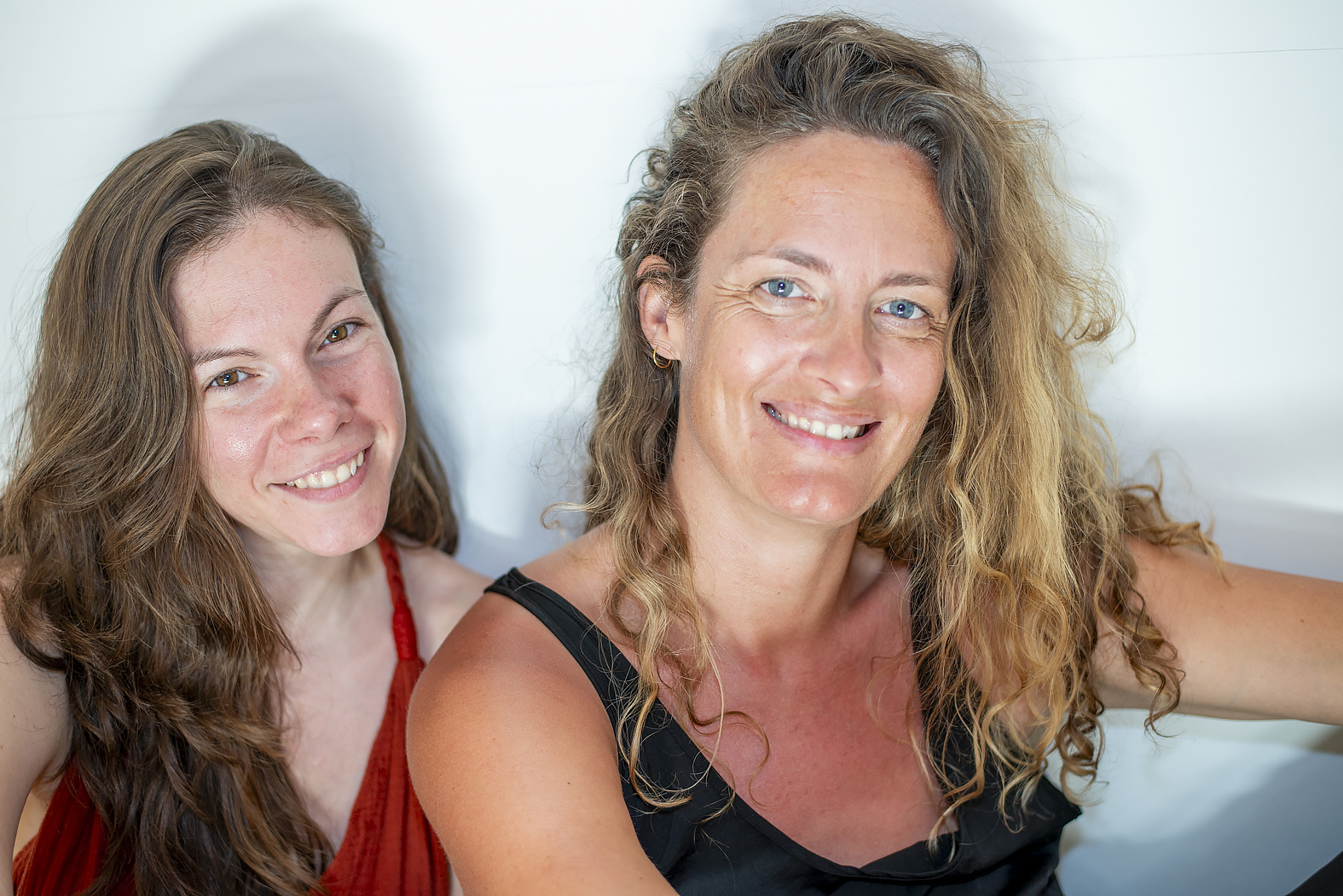
We believe in the power of slowness, the strength found in diversity, the foundation of integrity, and the courage required to create genuine learning spaces. Our work helps you identify and gently challenge the inherited patterns that may be limiting your truest expressions of body, emotion, thought, and action.
Stella & Cloé